

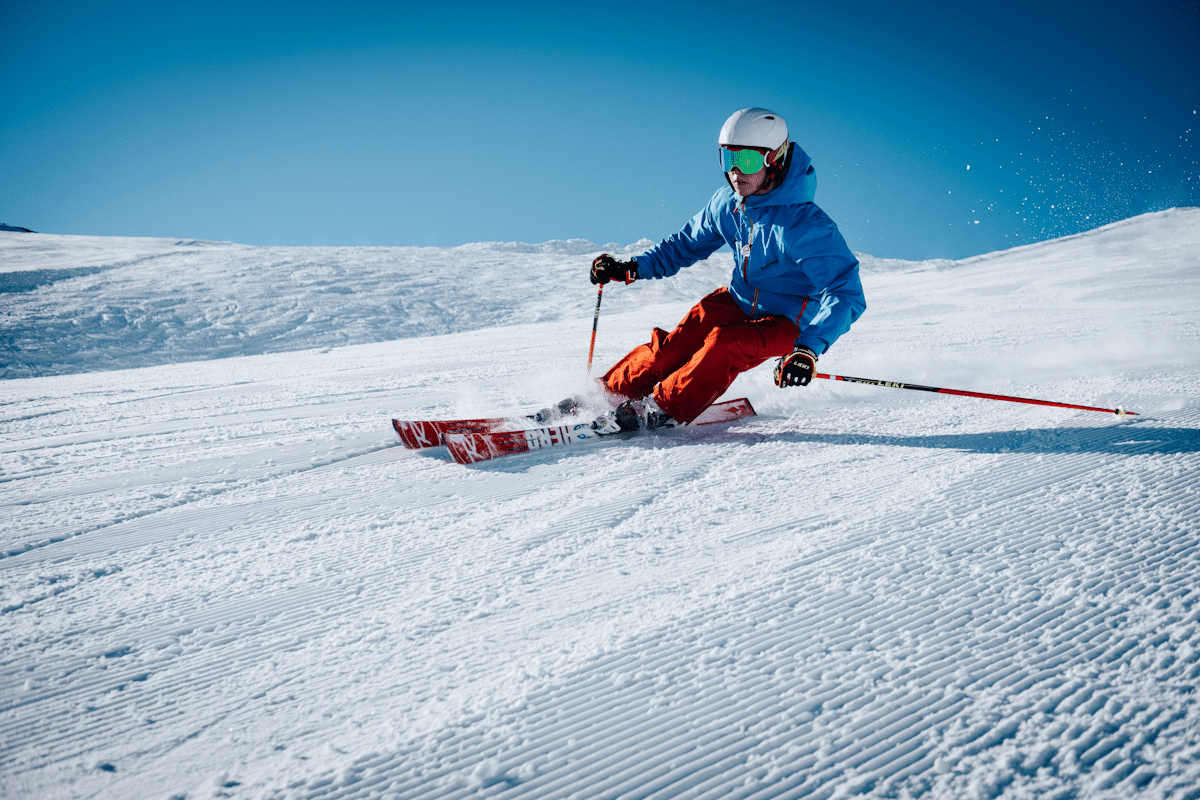
Winter Training: How to Maintain Performance When It’s Cold
## The Winter Training Challenge
Winter presents unique obstacles for fitness enthusiasts: shorter days, colder temperatures, holiday disruptions, and the natural human tendency to hibernate. Yet elite athletes know that winter training often determines summer performance.
The key? Understanding how cold weather affects your body at the cellular level—and using that knowledge to optimize your winter training strategy.
## How Cold Weather Impacts Cellular Function
### The Biological Reality
**Cold Exposure Effects**:
– Increased energy demand for thermoregulation
– Higher mitochondrial stress
– Greater caloric needs
– Reduced blood flow to extremities
– Slower warm-up requirements
**Winter Lifestyle Factors**:
– Reduced outdoor time
– Less sunlight exposure
– Disrupted circadian rhythms
– Increased comfort food cravings
– Lower activity levels
### Why Cellular Health Matters More in Winter
Your mitochondria work overtime in cold weather to maintain body temperature. This increased demand makes cellular optimization crucial:
**With Optimized Cells** (via Urolithin A):
– Efficient energy production for warmth + performance
– Better recovery from cold-weather stress
– Maintained training capacity
– Resilience to seasonal challenges
**Without Optimization**:
– Energy deficit and fatigue
– Longer recovery times
– Declining performance
– Increased injury risk
## Building Your Winter Training Foundation
### Non-Negotiable #1: Cellular Support
**Daily Urolithin A supplementation becomes even more critical**:
– Supports increased mitochondrial demand
– Enhances energy production efficiency
– Aids recovery from cold exposure
– Maintains training adaptations
**Winter-Specific Benefits**:
– Compensates for reduced outdoor activity
– Supports immune function
– Maintains metabolic rate
– Preserves muscle mass during less active periods
### Non-Negotiable #2: Consistent Movement
**The “Something is Better Than Nothing” Rule**:
– 20-minute workout > 0-minute workout
– Indoor training > skipped training
– Bodyweight exercises > complete rest
– Walking in cold > staying sedentary
**Minimum Effective Dose**:
– 3 structured workouts per week
– Daily movement of any kind
– Weekly outdoor exposure (weather permitting)
– Active lifestyle habits maintained
## Indoor Training Strategies
### The Home Workout Arsenal
**Minimal Equipment Setup**:
– Resistance bands ($20-30)
– Adjustable dumbbells ($100-200)
– Yoga mat ($20-30)
– Pull-up bar ($20-40)
– Jump rope ($10-15)
**Total investment**: $170-300 for complete home gym
### Effective Indoor Workouts
**The 30-Minute Full Body**:
**Warm-up** (5 min):
– Jumping jacks
– Bodyweight squats
– Arm circles
– Dynamic stretching
**Main Circuit** (20 min, 4 rounds):
– 15 Dumbbell goblet squats
– 12 Push-ups
– 10 Bent-over rows (each arm)
– 12 Walking lunges (each leg)
– 20 Russian twists
– 30-second plank
**Cool-down** (5 min):
– Static stretching
– Breathing exercises
**Frequency**: 3-4x per week
### Gym Training Optimization
**Cold Weather Gym Benefits**:
– Controlled temperature
– Comprehensive equipment
– Social environment
– Structured schedule
**Maximizing Gym Time**:
– Focus on compound movements
– Prioritize progressive overload
– Use adequate warm-up (10-15 min in winter)
– Take advantage of heated environment
## Outdoor Winter Training
### When to Train Outside
**Go For It** (with proper gear):
– Above 20°F (-6°C)
– Dry conditions
– Light wind
– Daylight hours when possible
**Reconsider**:
– Below 0°F (-18°C)
– Ice or dangerous conditions
– Extreme wind chill
– Limited visibility
### Layering Strategy
**Base Layer**:
– Moisture-wicking material
– Snug fit
– Covers core and extremities
**Middle Layer**:
– Insulating material (fleece, wool)
– Breathable
– Adjustable ventilation
**Outer Layer**:
– Wind and water resistant
– Breathable
– Bright colors for visibility
**Don’t Forget**:
– Hat or headband (loses 40% heat through head)
– Gloves (mittens for extreme cold)
– Neck gaiter or balaclava
– Reflective gear for dark conditions
### Winter Running Adaptations
**Adjust Expectations**:
– 10-20% slower pace is normal
– Shorter distances initially
– Focus on effort, not pace
– Surface matters (snow/ice slower)
**Safety Considerations**:
– Run during daylight if possible
– Choose plowed/treated surfaces
– Tell someone your route
– Carry phone
– Watch for ice
**Recovery Needs**:
– Longer warm-up required
– Extended cool-down important
– Extra attention to hydration
– Urolithin A supports cellular recovery from cold stress
## Nutrition for Winter Training
### Increased Energy Demands
**Why You Need More in Winter**:
– Thermoregulation burns calories
– Training in cold requires more energy
– Less incidental activity needs compensation
– Supporting immune system
**Adjusting Intake**:
– 10-15% more calories in cold months
– Increased protein for muscle maintenance
– Adequate carbs for energy and warmth
– Healthy fats for sustained energy
### Winter Nutrition Strategy
**Warming Pre-Workout Meals**:
– Oatmeal with protein powder
– Warm smoothie (yes, heated slightly)
– Eggs and toast
– Warm quinoa bowl
**Post-Workout Recovery**:
– Hot soup with protein
– Warm protein shake
– Stir-fry with vegetables and protein
– Chili or stew
**Throughout Day**:
– Hot tea or coffee
– Warm water with lemon
– Bone broth
– Cooked vegetables
### Supplement Stack for Winter
**Essential**:
– **Urolithin A** (1000mg): Cellular energy and recovery
– **Vitamin D** (2000-4000 IU): Limited sunlight compensation
– **Omega-3s**: Inflammation management
**Beneficial**:
– **Zinc**: Immune support
– **Vitamin C**: Cold prevention
– **Magnesium**: Muscle function and sleep
– **Electrolytes**: Often forgotten in winter
## Managing Winter-Specific Challenges
### Challenge: Motivation in Dark/Cold
**Solutions**:
– Morning workouts (start day strong)
– Evening gym time (social environment)
– Home workout routine (no weather excuse)
– Training partner accountability
– Indoor race registration (goal motivation)
**Mindset Shift**:
– “I’m building my summer fitness now”
– “Winter warriors become summer champions”
– “Every workout is an investment”
### Challenge: Reduced Outdoor Light
**Solutions**:
– Light therapy box (10,000 lux, 20-30 min morning)
– Maximize daylight exposure when possible
– Vitamin D supplementation
– Outdoor activity during lunch breaks
– Winter sports on weekends
**Impact of Light**:
– Circadian rhythm regulation
– Mood and motivation
– Sleep quality
– Energy levels
### Challenge: Holiday Disruptions
**Solutions**:
– Plan around events
– Hotel/travel workouts prepared
– Maintain Urolithin A consistency
– “Something is better than nothing”
– Quick return to routine post-holidays
### Challenge: Illness Season
**Prevention**:
– Adequate sleep (7-9 hours)
– Nutrition quality maintained
– Stress management
– Hand washing
– Avoiding overtraining
**If You Get Sick**:
– Rest when needed
– Light movement if just sniffles
– No training with fever
– Gradual return post-illness
– Extra recovery support (Urolithin A helps)
## Winter Training by Sport
### For Runners
**Winter Strategy**:
– Build aerobic base
– Focus on easy miles
– Hill work for strength
– Some indoor speed work
– Cross-training variety
**Spring Benefits**:
– Strong aerobic foundation
– Reduced injury risk
– Ready for speed work
– Peak performance timing
### For Cyclists
**Winter Strategy**:
– Indoor trainer workouts
– Strength training emphasis
– Technique drills
– Occasional outdoor rides (weather permitting)
– Cross-training (running, swimming)
**Spring Benefits**:
– Stronger on bike
– Better power output
– Improved technique
– Fresh for outdoor season
### For Strength Athletes
**Winter Strategy**:
– Ideal training conditions (indoors)
– Hypertrophy blocks
– Technique refinement
– Strength building phase
– Mobility work
**Spring/Summer Benefits**:
– Peak strength gains
– Muscle mass built
– Strong foundation for cutting
– Performance maximized
### For CrossFit/HIIT
**Winter Strategy**:
– Skill development focus
– Strength bias in programming
– Indoor conditioning
– Movement quality emphasis
– Injury prevention work
**Spring/Summer Benefits**:
– Refined skills
– Increased strength
– Better movement patterns
– Reduced injury risk
## Recovery Optimization in Winter
### Why Recovery Matters More
**Winter Recovery Challenges**:
– Cold weather stress
– Seasonal illness exposure
– Reduced sleep quality (darker mornings)
– Holiday stress
– Less active recovery (cold outdoor activity)
**Cellular Support is Critical**:
– Urolithin A activates mitophagy
– Enhanced cellular cleanup
– Better adaptation to training
– Faster recovery despite challenges
### Winter Recovery Tactics
**Daily**:
– Urolithin A (1000mg)
– 7-9 hours sleep
– Hydration (often forgotten in winter)
– Light movement
– Stress management
**Weekly**:
– 1-2 full rest days
– Active recovery sessions
– Mobility/stretching work
– Sauna or hot bath
– Massage or bodywork
**Monthly**:
– Deload week
– Assessment of recovery markers
– Adjustment of training load
– Health check-in
## The Mental Game
### Winter Mindset Strategies
**Reframe Winter Training**:
– Not “surviving winter”
– But “building summer performance”
– Secret weapon while others coast
– Investment in future self
**Stay Connected**:
– Training groups or partners
– Online communities
– Challenges or competitions
– Social accountability
**Set Winter-Specific Goals**:
– Process goals (show up 4x/week)
– Performance goals (maintain strength)
– Health goals (stay injury-free)
– Habit goals (daily Urolithin A)
## Special Considerations
### For Older Athletes
**Extra Attention Needed**:
– Longer warm-ups (15-20 min)
– More recovery time
– Joint protection in cold
– Conservative intensity in extreme cold
**Urolithin A Particularly Beneficial**:
– Age-related mitochondrial decline
– Longer recovery needs
– Maintaining muscle mass
– Supporting energy production
### For Those New to Winter Training
**Start Conservatively**:
– Begin with indoor training
– Gradual outdoor exposure
– Build cold tolerance slowly
– Invest in proper gear incrementally
**Build Foundation**:
– Establish Urolithin A habit
– Create indoor workout routine
– Find winter activity you enjoy
– Connect with winter athletes
## Looking Ahead to Spring
### Winter Training Pays Off
**March/April Reality**:
– Those who trained: Peak fitness, ready to excel
– Those who didn’t: Starting over, playing catch-up
**You’ll Thank Yourself For**:
– Maintained consistency
– Cellular optimization throughout
– Strength and endurance preserved
– Habits solidified
– Momentum established
### The Transition to Spring
**What to Expect**:
– Rapid outdoor performance improvements
– Better weather = better training conditions
– Strong foundation = faster progress
– Confidence from winter dedication
**How to Capitalize**:
– Increase volume gradually
– Add intensity with warm weather
– Register for spring events
– Continue cellular optimization
– Build on winter foundation
## Conclusion: Win the Winter
Winter isn’t about surviving until spring—it’s about building the foundation for your best year ever. With cellular optimization through Urolithin A, smart training strategies, and the right mindset, winter becomes your competitive advantage.
While others make excuses, you’re making progress. While others wait for spring, you’re building strength. While others hope for better weather, you’re creating better performance.
**Winter warriors become summer champions. Start today.**
*Dominate winter training with daily Urolithin A supplementation for cellular energy and recovery, embrace indoor and outdoor training opportunities, fuel properly for cold weather demands, and emerge in spring stronger than ever.*
TAGS
Experience the Power of Cellular Renewal
Join thousands optimizing their healthspan with mitovia — the highest purity Urolithin A supplement available