
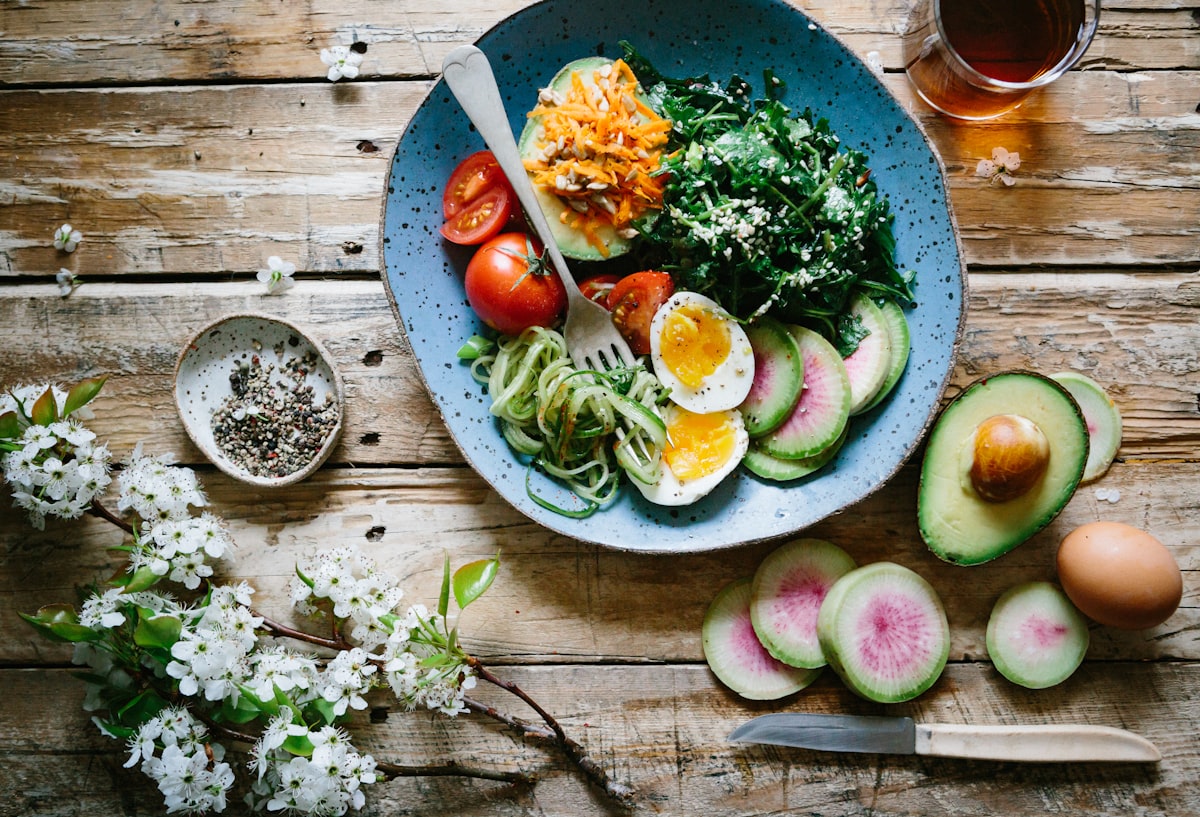
The Complete Guide to Nutrition for Cellular Longevity: Beyond Urolithin A
## Introduction: Food as Cellular Medicine
When we think about nutrition and aging, most people focus on weight management or disease prevention. But emerging research reveals something far more profound: the foods we eat directly influence our cellular aging processes, mitochondrial health, and the activation of longevity pathways.
This comprehensive guide explores the nutritional strategies that support cellular health, with a focus on compounds that activate beneficial cellular processes like autophagy and mitophagy.
## The Polyphenol Powerhouses
### Ellagitannins: The Urolithin A Precursors
Ellagitannins are polyphenolic compounds that, when metabolized by gut bacteria, can produce Urolithin A. The richest dietary sources include:
**Pomegranates**: The king of ellagitannin sources, with the highest concentration in the arils (seeds). A single pomegranate can contain 200-400mg of ellagitannins. However, only 40% of people have the gut bacteria needed to convert these into Urolithin A efficiently.
**Walnuts**: Beyond healthy fats, walnuts provide significant ellagitannins. Studies show that 1 ounce (28g) of walnuts contains approximately 20-30mg of ellagitannins.
**Berries**: Particularly raspberries, strawberries, and blackberries. These provide not only ellagitannins but also other polyphenols that support cellular health through multiple pathways.
**Pecans**: Often overlooked, pecans contain meaningful amounts of ellagitannins along with healthy fats that support their absorption.
### Beyond Ellagitannins: Other Longevity Polyphenols
**Resveratrol**: Found in grapes, red wine, and berries, resveratrol activates sirtuins—proteins that regulate cellular health and longevity. While the amounts in food are modest, they contribute to the overall polyphenol load.
**Quercetin**: Present in onions, apples, and green tea, quercetin has been shown to support mitochondrial function and reduce oxidative stress. It’s particularly concentrated in the outer layers of onions and the skin of apples.
**Curcumin**: The active compound in turmeric supports mitochondrial biogenesis and protects against oxidative damage. Absorption is enhanced when consumed with black pepper (piperine) and healthy fats.
**EGCG**: The primary catechin in green tea, EGCG supports autophagy and mitochondrial health. Matcha green tea provides particularly high concentrations.
## Protein: Quality and Timing for Longevity
### The Amino Acid Balance
Not all protein sources are equal for longevity. Research increasingly shows that the amino acid profile matters:
**Leucine**: This branched-chain amino acid is crucial for maintaining muscle mass during aging. While it activates mTOR (which can be pro-aging in excess), adequate leucine is essential for muscle protein synthesis. Target 2-3g per meal.
**Glycine**: Often overlooked, glycine supports mitochondrial health and is a precursor to glutathione, the master antioxidant. Bone broth, collagen, and gelatin are rich sources.
**Methionine Restriction**: Emerging research suggests that moderate restriction of methionine (found abundantly in meat) may activate longevity pathways. This doesn’t mean avoiding meat, but it suggests benefits from incorporating more plant proteins.
### Protein Timing for Muscle Maintenance
As we age, we become less efficient at building muscle from dietary protein—a phenomenon called anabolic resistance. Combat this by:
– Consuming 25-40g protein per meal (higher end for older adults)
– Distributing protein evenly across meals rather than back-loading
– Including protein within 2 hours after resistance exercise
– Not fearing protein before bed (it doesn’t impair autophagy as once thought)
## Healthy Fats: Fueling Mitochondrial Health
### Omega-3 Fatty Acids: More Than Heart Health
The omega-3 fatty acids EPA and DHA directly incorporate into mitochondrial membranes, improving their function and efficiency. Beyond fatty fish, consider:
**Fatty Fish**: Salmon, mackerel, sardines, and anchovies. Target 2-3 servings weekly.
**Algae Oil**: For plant-based eaters, algae-derived DHA provides the same benefits without the fish.
**Flaxseeds and Walnuts**: Provide ALA, which converts to EPA and DHA (though inefficiently). Still valuable for overall health.
### The Monounsaturated Advantage
Olive oil, avocados, and nuts provide monounsaturated fats that:
– Reduce oxidative stress on mitochondria
– Support membrane fluidity
– Provide anti-inflammatory polyphenols (especially extra virgin olive oil)
– Enhance absorption of fat-soluble nutrients and polyphenols
### MCT Oil: Direct Mitochondrial Fuel
Medium-chain triglycerides provide rapid energy to mitochondria, bypassing some metabolic steps. They may be particularly beneficial for brain health and during fasting periods.
## Micronutrients: The Mitochondrial Support Team
### B Vitamins: The Energy Facilitators
B vitamins are essential cofactors in mitochondrial energy production:
**B1 (Thiamine)**: Critical for the citric acid cycle. Found in whole grains, pork, and legumes.
**B2 (Riboflavin)**: Component of FAD, essential for the electron transport chain. Rich in dairy, eggs, and almonds.
**B3 (Niacin)**: Precursor to NAD+, which declines with age. Found in meat, fish, and mushrooms. Some people supplement with NR or NMN for enhanced NAD+ support.
**B12**: Essential for mitochondrial function and particularly important for older adults and plant-based eaters. Requires supplementation for most vegans.
### Minerals: The Catalysts
**Magnesium**: Required for over 300 enzymatic reactions, including ATP production. Found in leafy greens, nuts, seeds, and dark chocolate. Many people are subclinically deficient.
**Zinc**: Supports mitochondrial function and immune health. Oysters are the richest source, followed by meat, legumes, and seeds.
**Selenium**: Protects mitochondria from oxidative damage. Brazil nuts are extraordinarily rich—just 1-2 daily provides adequate selenium.
**Iron**: Essential for oxygen transport and electron transport chain function. However, excess iron can be pro-oxidant. Focus on food sources and test levels before supplementing.
### The Antioxidant Network
**Vitamin E**: Protects mitochondrial membranes from oxidative damage. Found in nuts, seeds, and vegetable oils. Natural mixed tocopherols are superior to synthetic alpha-tocopherol.
**Vitamin C**: Regenerates oxidized vitamin E and supports collagen synthesis. Fresh fruits and vegetables are best sources.
**Coenzyme Q10**: A component of the electron transport chain that declines with age. Found in organ meats, fatty fish, and spinach. Many people over 40 consider supplementation.
## Dietary Patterns for Longevity
### The Mediterranean Diet: Gold Standard Evidence
The Mediterranean dietary pattern consistently shows benefits for longevity in population studies. Key features:
– Abundant vegetables, fruits, legumes, and whole grains
– Olive oil as primary fat source
– Regular fish consumption
– Moderate wine intake with meals
– Limited red meat and processed foods
– Social eating and meal enjoyment
What makes it work? The combination of polyphenols, healthy fats, fiber, and anti-inflammatory compounds creates a cellular environment that supports healthy aging.
### Time-Restricted Eating: Fasting for Cellular Cleanup
Limiting eating to an 8-12 hour window daily activates autophagy and improves metabolic health. The benefits include:
– Enhanced cellular cleanup during fasted periods
– Improved insulin sensitivity
– Activation of longevity pathways like AMPK and sirtuins
– Better alignment with circadian rhythms
Start with 12 hours (e.g., 7am-7pm) and adjust based on your lifestyle and response.
### Caloric Restriction vs. Nutrient Density
While severe caloric restriction extends lifespan in laboratory animals, it’s not practical or desirable for most humans. A better approach: caloric moderation with maximum nutrient density.
Focus on foods that provide the most nutrients per calorie:
– Leafy greens (kale, spinach, swiss chard)
– Cruciferous vegetables (broccoli, brussels sprouts)
– Berries
– Fatty fish
– Legumes
– Nuts and seeds
## The Gut Microbiome Connection
### Why Your Microbiome Matters for Cellular Health
Your gut bacteria don’t just digest food—they produce metabolites that influence cellular aging:
**Short-Chain Fatty Acids**: Butyrate, propionate, and acetate (produced from fiber fermentation) support mitochondrial function and reduce inflammation.
**Urolithin A Production**: As discussed, only about 40% of people efficiently produce Urolithin A from ellagitannins. Gut health influences this conversion.
**Vitamin K2 and B Vitamins**: Certain gut bacteria synthesize these essential nutrients.
### Supporting Microbiome Health
**Prebiotics**: Feed beneficial bacteria with:
– Resistant starch (cooled potatoes, green bananas)
– Inulin (Jerusalem artichokes, chicory root, onions)
– Pectin (apples, citrus fruits)
– Beta-glucans (oats, mushrooms)
**Probiotics**: Fermented foods provide beneficial bacteria:
– Yogurt and kefir (dairy or plant-based)
– Sauerkraut and kimchi
– Kombucha
– Miso and tempeh
**Polyphenols**: Support beneficial bacteria while inhibiting harmful ones. This is one way polyphenol-rich foods provide benefits beyond their direct antioxidant effects.
## Practical Meal Planning for Cellular Longevity
### A Day of Longevity Eating
**Breakfast (8am)**:
– Greek yogurt with mixed berries, walnuts, and a drizzle of pomegranate molasses
– Green tea
– *Provides: protein, probiotics, ellagitannins, polyphenols*
**Lunch (12pm)**:
– Large salad with leafy greens, colorful vegetables, chickpeas, and olive oil dressing
– Grilled salmon
– Handful of olives
– *Provides: omega-3s, fiber, polyphenols, complete protein*
**Snack (3pm)**:
– Apple slices with almond butter
– *Provides: quercetin, healthy fats, protein*
**Dinner (6pm)**:
– Stir-fried vegetables with turmeric and black pepper
– Grilled chicken or tofu
– Quinoa
– Side of sauerkraut
– *Provides: curcumin, complete protein, probiotics, fiber*
**Evening (7pm – close eating window)**:
– Small piece of dark chocolate (70%+ cacao)
– *Provides: polyphenols, satisfaction*
## Supplements: When Food Isn’t Enough
### The Case for Strategic Supplementation
While food should be the foundation, certain supplements can enhance cellular health strategies:
**Urolithin A**: Direct supplementation bypasses microbiome variability, ensuring consistent mitophagy activation. Clinical studies use 500-1000mg daily.
**Omega-3s**: If you don’t eat fatty fish 2-3 times weekly, supplementation ensures adequate EPA and DHA for mitochondrial health.
**Vitamin D**: Few foods provide adequate amounts, and most people have insufficient sun exposure. Target blood levels of 30-50 ng/mL.
**Magnesium**: Soil depletion means foods contain less magnesium than historically. Many people benefit from 200-400mg supplemental magnesium.
### What NOT to Supplement
Avoid megadosing antioxidants. High-dose vitamins C and E can actually impair exercise adaptations and cellular stress responses. Food-source amounts are ideal.
## Hydration for Cellular Function
Water is essential for every cellular process, yet chronically under-consumed by many people:
– Target 0.5-1 ounce per pound of body weight daily
– More if exercising or in hot climates
– Herbal teas count toward hydration
– Coffee and tea are mildly dehydrating but their benefits outweigh this
## The Longevity Mindset
### It’s Not About Perfection
The goal isn’t to eat perfectly every meal. Instead:
– Make cellular health-supporting choices most of the time (80/20 rule)
– Enjoy food and social eating
– Focus on adding beneficial foods rather than just restricting
– Be consistent over the long term rather than extreme short-term
### Synergy Over Single Solutions
No single food or supplement is a magic bullet. The real magic comes from:
– Dietary diversity providing a range of beneficial compounds
– Consistent healthy habits compounding over time
– Supporting multiple longevity pathways simultaneously
– Combining nutrition with exercise, sleep, and stress management
## Special Considerations
### For Athletes
Balance longevity eating with performance demands:
– Maintain adequate protein (1.6-2.2g/kg body weight)
– Don’t restrict calories too aggressively
– Time polyphenol-rich foods away from intense training (they can blunt some adaptations)
– Use Urolithin A supplementation for consistent mitophagy support
### For Older Adults
Prioritize:
– Higher protein intake to combat anabolic resistance
– Easily digestible, nutrient-dense foods
– Addressing potential absorption issues (B12, iron, calcium)
– Maintaining adequate calorie intake to prevent unintentional weight loss
### For Plant-Based Eaters
Ensure adequate:
– B12 (must supplement)
– Zinc (seeds, legumes, supplementation)
– Iron (pair plant sources with vitamin C)
– Omega-3s (algae oil for EPA and DHA)
– Protein combining for complete amino acid profiles
## Conclusion: Food as Longevity Medicine
The emerging science of nutritional geroscience reveals that our dietary choices profoundly influence cellular aging processes. By emphasizing polyphenol-rich foods, healthy fats, adequate protein, and strategic supplementation, we can support mitochondrial health, activate cellular cleanup processes, and promote healthy aging from the inside out.
The beauty of this approach is that it’s not about deprivation—it’s about abundance. Abundance of colorful vegetables, flavorful herbs and spices, nutrient-dense proteins, and health-promoting fats. These foods don’t just support longevity; they make eating a pleasure.
Start with small changes, build consistency, and remember: every meal is an opportunity to support your cellular health and invest in your long-term vitality.
*This information is for educational purposes only and is not intended to diagnose, treat, cure, or prevent any disease. Consult with a healthcare provider before making significant dietary changes or starting new supplements.*
TAGS
Experience the Power of Cellular Renewal
Join thousands optimizing their healthspan with mitovia — the highest purity Urolithin A supplement available